When I was diagnosed with Parkinson’s in June 2021, like many people, I worried about what the future might hold. Would I still be able to travel? Would I still be able to challenge myself physically? Would Parkinson’s gradually take away the activities I loved?
Rather than allowing those questions to define me, I decided to test my limits.
One of the most remarkable discoveries I have made since my diagnosis has come not in a laboratory or clinic, but high in the mountains.
Climbing Kilimanjaro
In October 2022, I stood on the slopes of Mount Kilimanjaro, Africa’s highest mountain. At nearly 6,000 metres above sea level, oxygen levels are significantly lower than at sea level. Most people experience some degree of hypoxia – a condition where the body receives less oxygen than normal.
Many people assumed Parkinson’s would make such an expedition impossible. Yet as I climbed higher, something unexpected happened.
My Parkinson’s symptoms were not as troublesome as I anticipated.
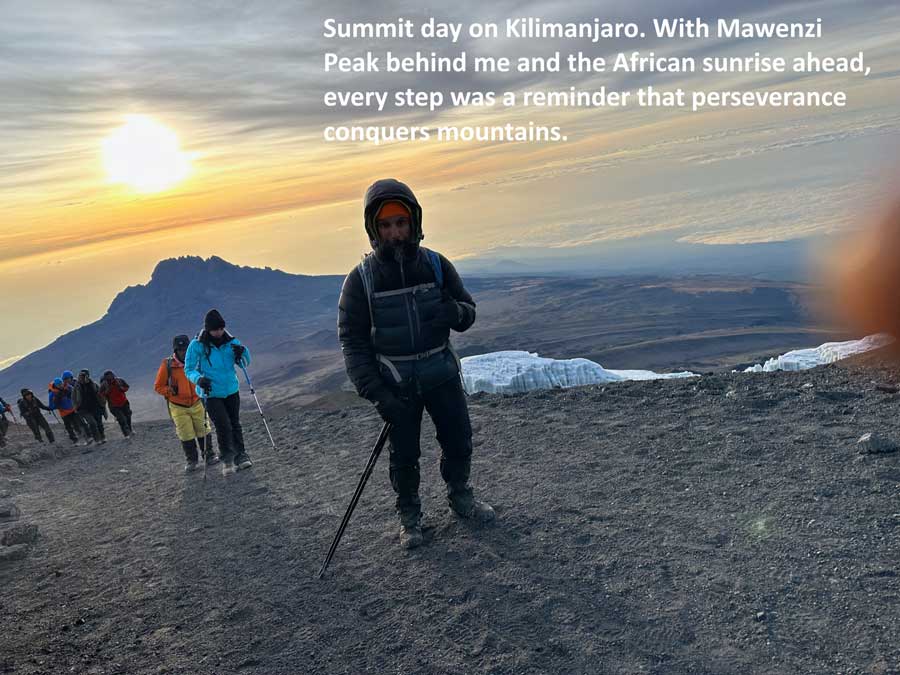
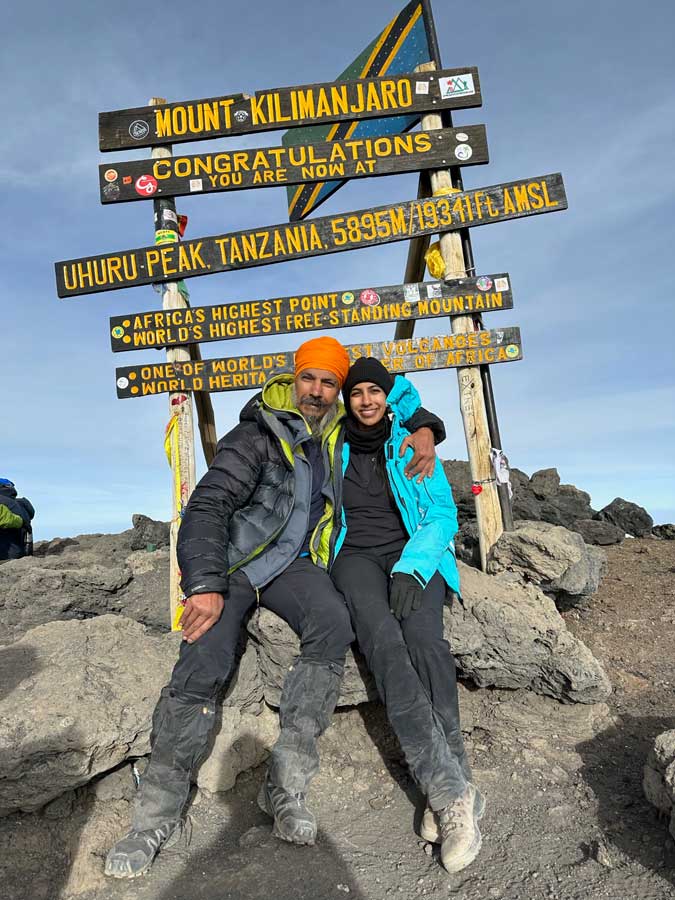
The physical challenge was immense. The freezing temperatures, steep ascents, fatigue and lack of oxygen tested every member of the expedition. Yet I found myself continuing to move, adapting to the conditions and completing a challenge that many people without Parkinson’s would find daunting.
The experience left me wondering whether the combination of sustained exercise and reduced oxygen levels was having an effect on my symptoms.
Trekking in Nepal
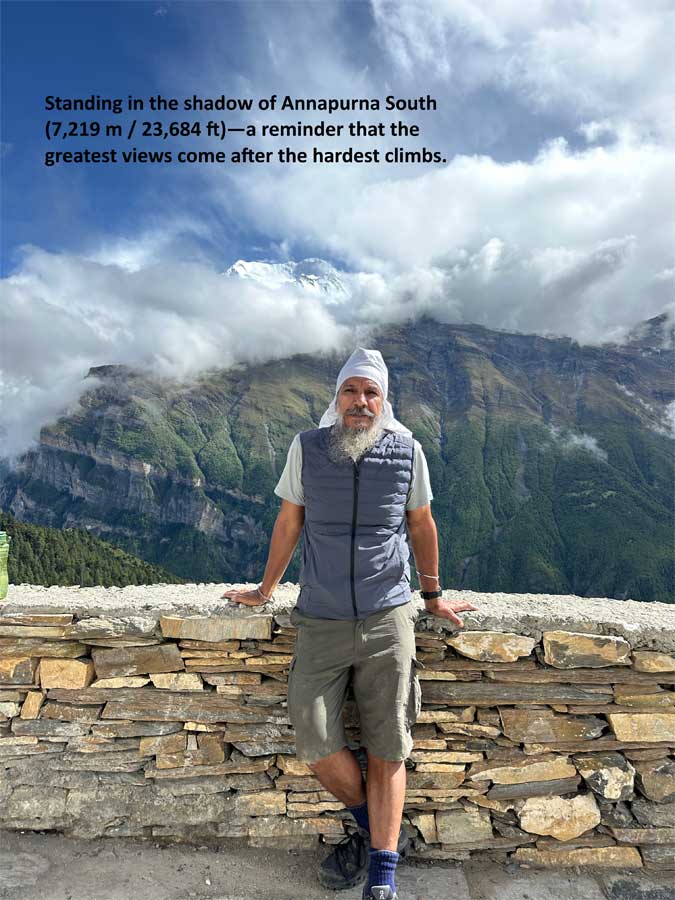
Two years later, I found myself trekking once again, this time in the mountains of Nepal.
The stunning Himalayan scenery was unforgettable, but what stood out most to me was how capable I felt. Despite living with Parkinson’s, I was able to walk for long periods, navigate challenging terrain and cope with the demands of altitude.
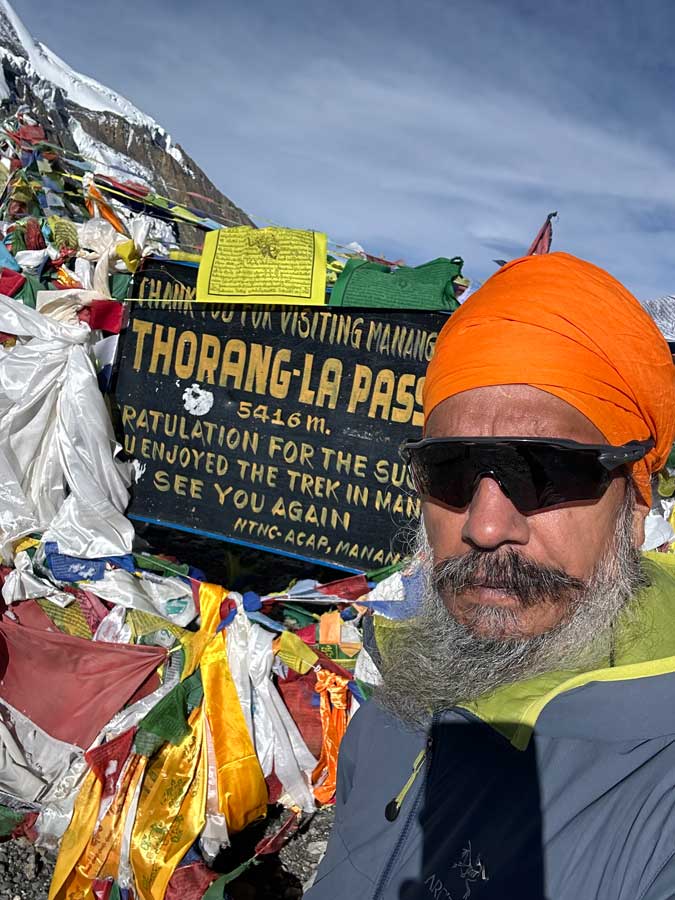
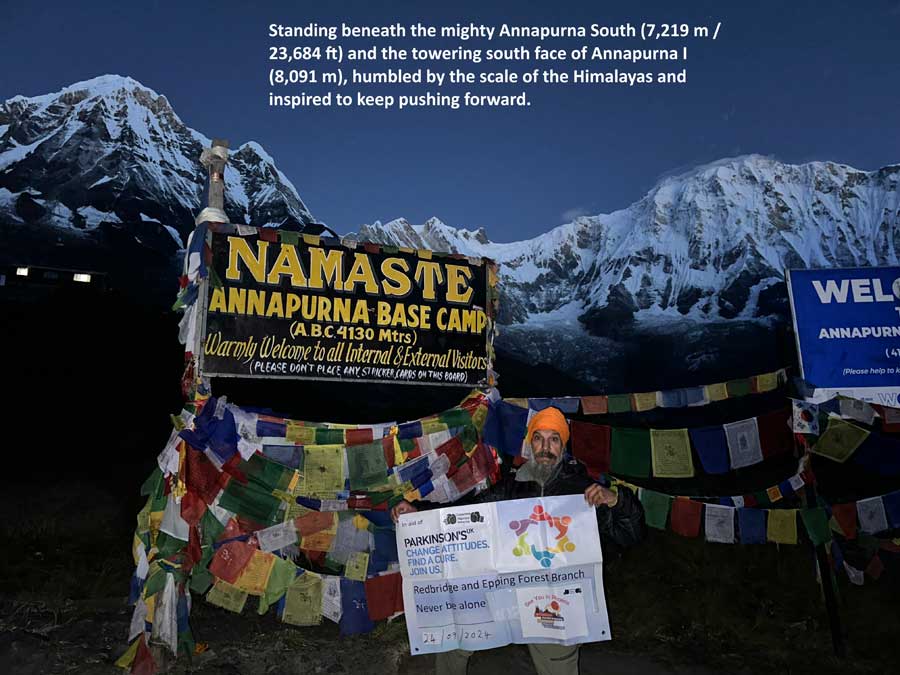
Of course, Parkinson’s didn’t disappear. I still needed to manage medication, pace myself and listen to my body. But once again, I noticed that my symptoms felt less intrusive than I had expected.
These experiences challenged my own assumptions about what Parkinson’s should feel like during extreme physical activity.
The Science of Hypoxia
Since returning from these treks, I have taken a keen interest in emerging research exploring hypoxia and Parkinson’s.
Scientists are beginning to investigate whether controlled exposure to lower oxygen levels may trigger beneficial responses within the body. Early studies suggest hypoxia may influence pathways involved in inflammation, energy production, brain plasticity and cellular repair.
While the research is still in its infancy, some studies have reported improvements in certain Parkinson’s symptoms following carefully monitored hypoxia training.
Importantly, these interventions are conducted under strict medical supervision and are very different from simply climbing a mountain. More research is needed before any conclusions can be drawn.
However, as someone who has experienced both high-altitude trekking and Parkinson’s, I find the emerging science fascinating because it mirrors some of my own observations.
Exercise Remains the Foundation
Whether it was Kilimanjaro, Nepal, cycling over 600 miles from Los Angeles to Phoenix for the World Parkinson Congress, or leading weekly Dopamine Warriors boxing sessions, one lesson keeps repeating itself:
Movement matters.
I cannot say with certainty whether hypoxia helped my Parkinson’s symptoms. What I can say is that when I combine regular exercise with meaningful goals and a positive mindset, I feel stronger both physically and mentally.
The mountains taught me that Parkinson’s does not automatically define our limits.
Too often, people are told what they cannot do. My experience has been the opposite. With preparation, support and determination, it is often possible to achieve far more than we imagine.
Looking Forward
As research into hypoxia continues, I will be watching with great interest. My experiences on Kilimanjaro and in Nepal have given me a unique perspective on a field that is only just beginning to be explored.
For now, my message to others living with Parkinson’s is simple:
Keep moving.
Whether it is walking around the block, attending an exercise class, cycling, boxing, trekking or climbing a mountain, every step matters.
Parkinson’s may be part of my life, but it does not stop me seeking new adventures. In fact, standing above the clouds on the roof of Africa and among the peaks of Nepal showed me something important:
Sometimes the greatest discoveries happen when we are willing to climb higher than we ever thought possible.